
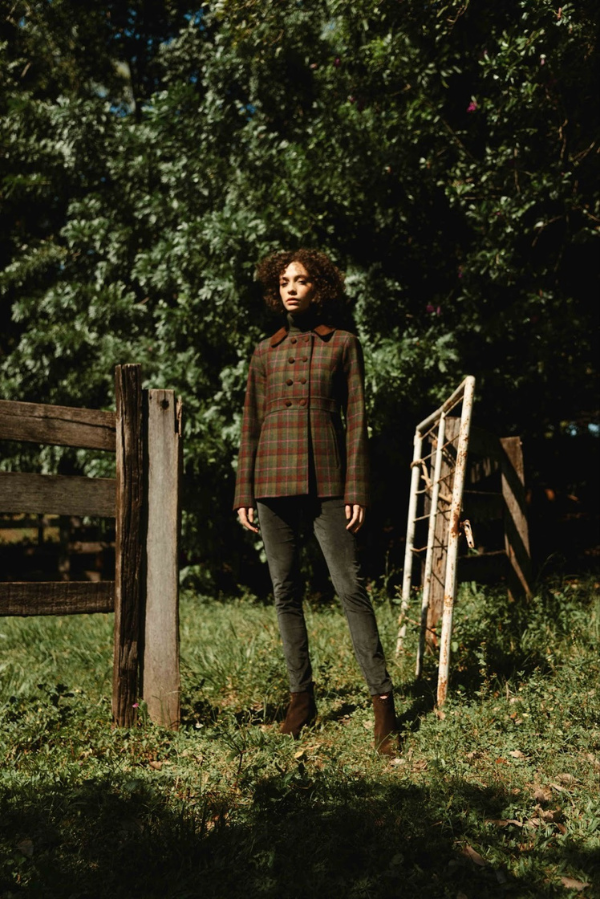
Women’s hunting and shooting clothing is no longer just functional apparel for an activity. Today, it’s a fusion of heritage, functionality, and fashion.
Ladies hunting and shooting clothing reflects the transition from rural life to everyday life, as well as the evolving presence of women in this outdoor activity.
Here we’ll explore Women’s Hunting & Shooting Clothing, its origins and changes over time, leading to the unmatched blend of style and comfort it is today.
The Heritage of Hunting and Shooting Clothing
Hunting and shooting in Great Britain was a staple of the countryside for centuries. It was practiced by all levels of society in different ways: the lower classes did it to obtain food and survive, while the aristocracy and elite used it as a sport and a symbol of status.
Among the upper classes, this sport was masculinized in its origins. Therefore, the fashion was quite basic, with garments designed solely for long days outdoors, offering protection from the elements and allowing great freedom of movement across varied terrain.
As styles evolve, many of the fabrics, silhouettes, and details of today’s collection are a reflection of traditional field wear, and are therefore an example of a balance between a timeless design and a modern interpretation of that design.
By the mid-1800s, women were becoming increasingly involved in the sport. From then on, trousers were no longer the only garments produced; instead, three-piece ensembles were created, with the bottom being a long, ankle-length skirt specifically designed for women.

Woman’s riding habit (bodice and apron skirt), Great Britain, 1826–1828. Courtesy London Museum (Museum of London).
Later, we’ll show you how women’s fashion in the hunting world evolved. However, one constant is the use of neutral colors, greens, and browns to blend into the British countryside.
Traditional British Hunting & Shooting Brands
For decades, several British brands have played a vital role in the apparel of those who participate in hunting and shooting. Names like Purdey and Holland & Holland are closely associated with field sports, known for producing garments based on craftsmanship, durability, and performance in the field.
These brands, founded in the early 1800s, were pioneers, and shaped the visual language associated with shooting apparel. Their products also established the quality and functionality that consumers would expect of shooting apparel. The presence of these brands continues to express the association of clothing, tradition, and practicality that exists within the shooting culture.
Ethical Hunting and Respect for Tradition
Hunting has been a part of British country life for centuries, but since the last decade of the 20th century, social movements have promoted its ethical practice. Today, hunting is shaped by an understanding of land management and stewardship, seasonality, and the responsibility involved in the activity.
Hunting is no longer just about shooting; new traditions focus on preparation, moderation, and respect for the places and living beings affected by the practice. This has generated a greater commitment to preserving nature and rural landscapes, ensuring their continuity for future generations.
Ethical hunting is not based on rigid rules, but on awareness: understanding the impact of our actions on wildlife, habitats, and the landscape as a whole.
Respecting Wildlife and Long-Standing Field Practices
At the heart of traditional field practices lies a deep respect for wildlife and natural cycles. Respecting the appropriate seasons, supporting conservation initiatives, and maintaining the balance of ecosystems have always been fundamental to responsible rural activity. These values ensure that hunting remains in harmony with caring for the land, rather than exploiting it.
Traditional practices also reflect a collective knowledge passed down through generations, combining experience with an appreciation for nature. By respecting these customs, today’s hunters and shooters contribute to maintaining both wildlife populations and the cultural heritage that continues to shape rural life across the UK.
Why Women’s Hunting Clothing Is Evolving
As mentioned before, hunting has stopped being an exclusively male sport and has also moved beyond its association with royalty to become accessible to a much wider range of people.
These shifts are clearly reflected in the fashion surrounding hunting. At the same time, women’s clothing -and expectations around what women should wear- has evolved and broadened its horizons, breaking long-standing social norms and expanding its scope to include hunting fashion.
Moving Beyond Highly Technical and Exclusively Expensive Garments
In its early days, hunting was almost exclusive to the upper classes. However, as it became more mainstream across the UK countryside, brands specialising in these garments had to create collections that appealed to a broader audience.
Hunting clothing is still more expensive than everyday wear, but it is no longer as excessively costly as it was in the mid-20th century. This shift is also reflected in improved comfort and wearability, without sacrificing style.
Comfort, Wearability, and Style as Everyday Priorities
The real strength of hunting clothing in recent years — and especially heading into 2026 — lies in its ability to balance style, comfort, and practicality. These new collections are designed to be worn beyond the hunt itself, making them more appealing overall, while offering greater comfort without compromising on appearance.
You won’t just look good — you’ll feel good in an outfit designed for a day of hunting. In 2026, that outfit should be stylish enough to wear before the activity and afterwards too, whether that means stopping for a warming cup of tea or heading to the pub for a drink to round off a relaxed day outdoors.
Clothing That Works Both In and Out of the Countryside
These new hunting garments are truly versatile. Key features include generous pockets in coats and jackets for storage, as well as fabrics that are waterproof or easy to clean — particularly important when hunting during rainy seasons, when mud is almost inevitable.
All of these characteristics make the clothing equally suitable for the countryside beyond hunting. On days when you don’t feel like going out to hunt but fancy hiking or cycling along the scenic trails of the British countryside instead, this clothing will support you just as well.
How Women Style Hartwell Clothing for Shooting Days
Layering for the Field
Layering is key when dressing for changing conditions outdoors. For autumn and spring, or those cooler summer evenings, something a little lighter than a coat is often the better choice — like the KATRINA Tartan Wax Cotton Gilet.
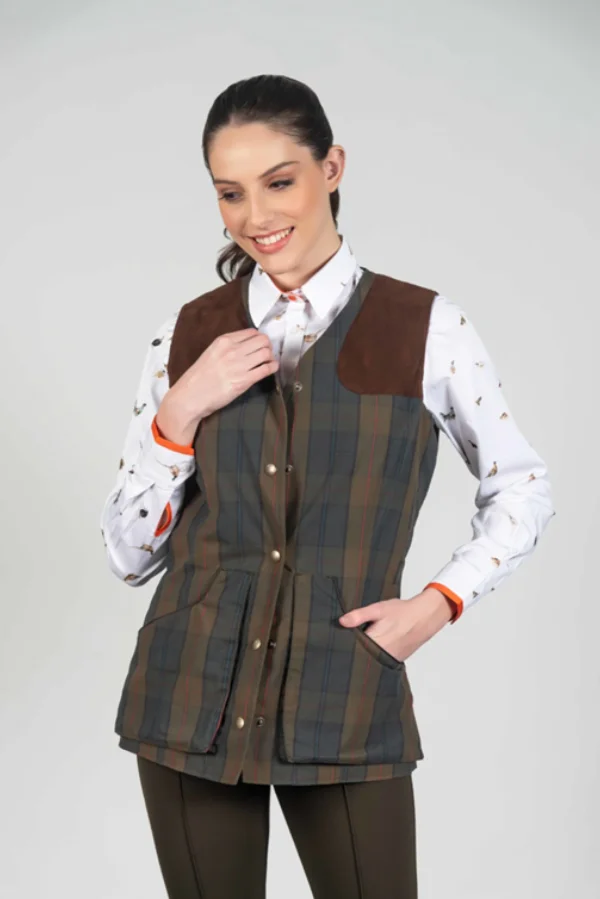
With the arms left free, it offers greater mobility than a pure wool coat and more breathability when you need it. Layered over a long-sleeve shirt or fine knit, it allows you to adapt easily as temperatures shift throughout the day.
As a base layer, you can use our ADRIAN luxury cotton Shooting Shirt. It’s made with Lycra for extra stretch and mobility, but the best part is that it’s not overly warm, so you can wear it in spring and on cool summer evenings.

From Country Days to Everyday Wear
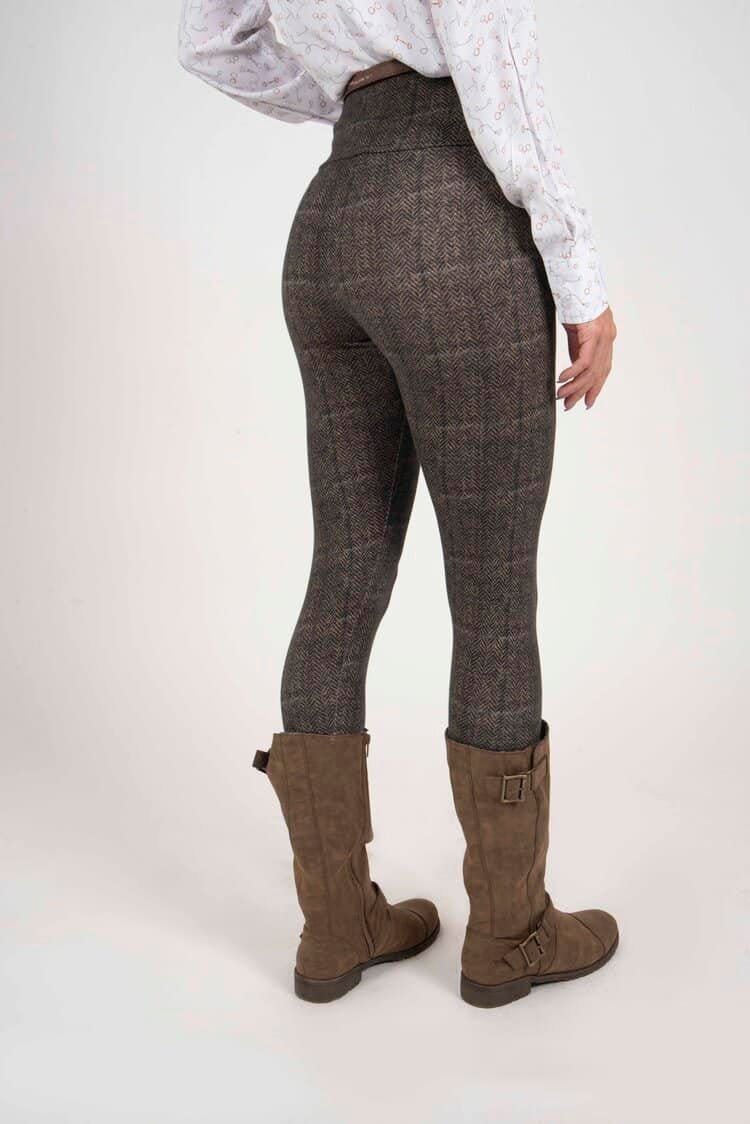
To complete the look, you can wear MIA Tweed printed leggings. They’re much more comfortable than jeans, but they help you maintain a classy style. So when you finish your activities in the countryside, you can go for coffee or dinner without having to change your outfit.
Our JUNE Cherry Wax Cotton jacket is perfect for the colder months, keeping you warm without sacrificing flexibility. It has a countryside vibe mixed with a timeless style, making it suitable for everything from coffee dates to a night out.

A New Chapter for Women’s Country Style
Modern women’s hunting and shooting clothing is no longer confined to the field. Rooted in tradition yet shaped by contemporary needs, it now prioritises comfort, wearability, and style in equal measure.
As countryside life continues to blend with everyday living, these garments offer versatility, practicality, and timeless appeal—designed not just for shooting days, but for life well beyond them.